

Beyond activities: why intergenerational connection matters more than ever in care
)
For today’s care providers, the challenge is no longer simply delivering safe, effective care. Alongside workforce pressures, rising costs and increasingly complex resident needs, there is a continued and growing focus on ensuring that wellbeing, purpose and community connection are embedded within high-quality care.
This is where intergenerational practice is proving its value. At The Together Project, the national charity dedicated to reducing loneliness and building stronger communities, we’ve spent almost a decade exploring what happens when people of different ages are brought together in meaningful ways.
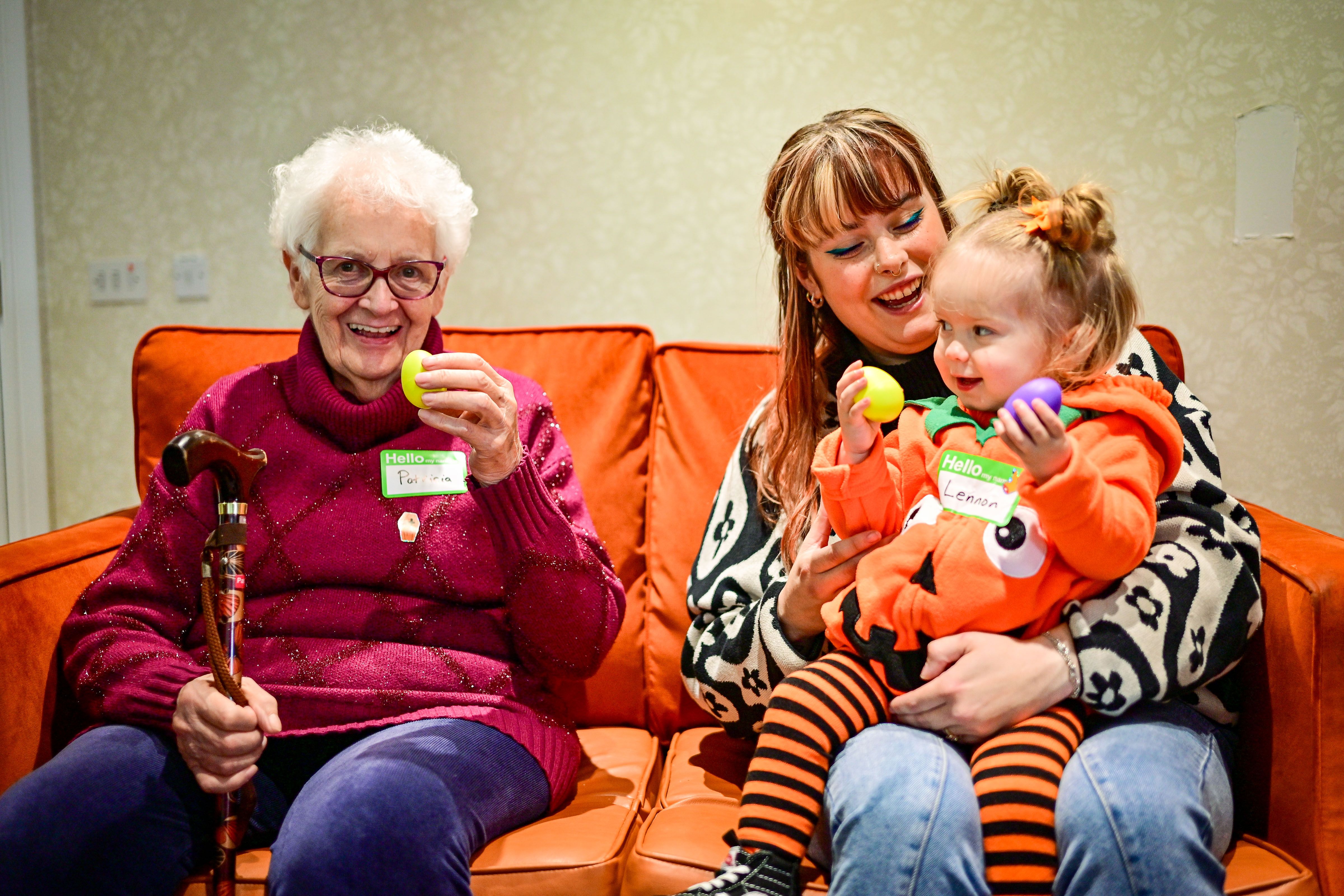
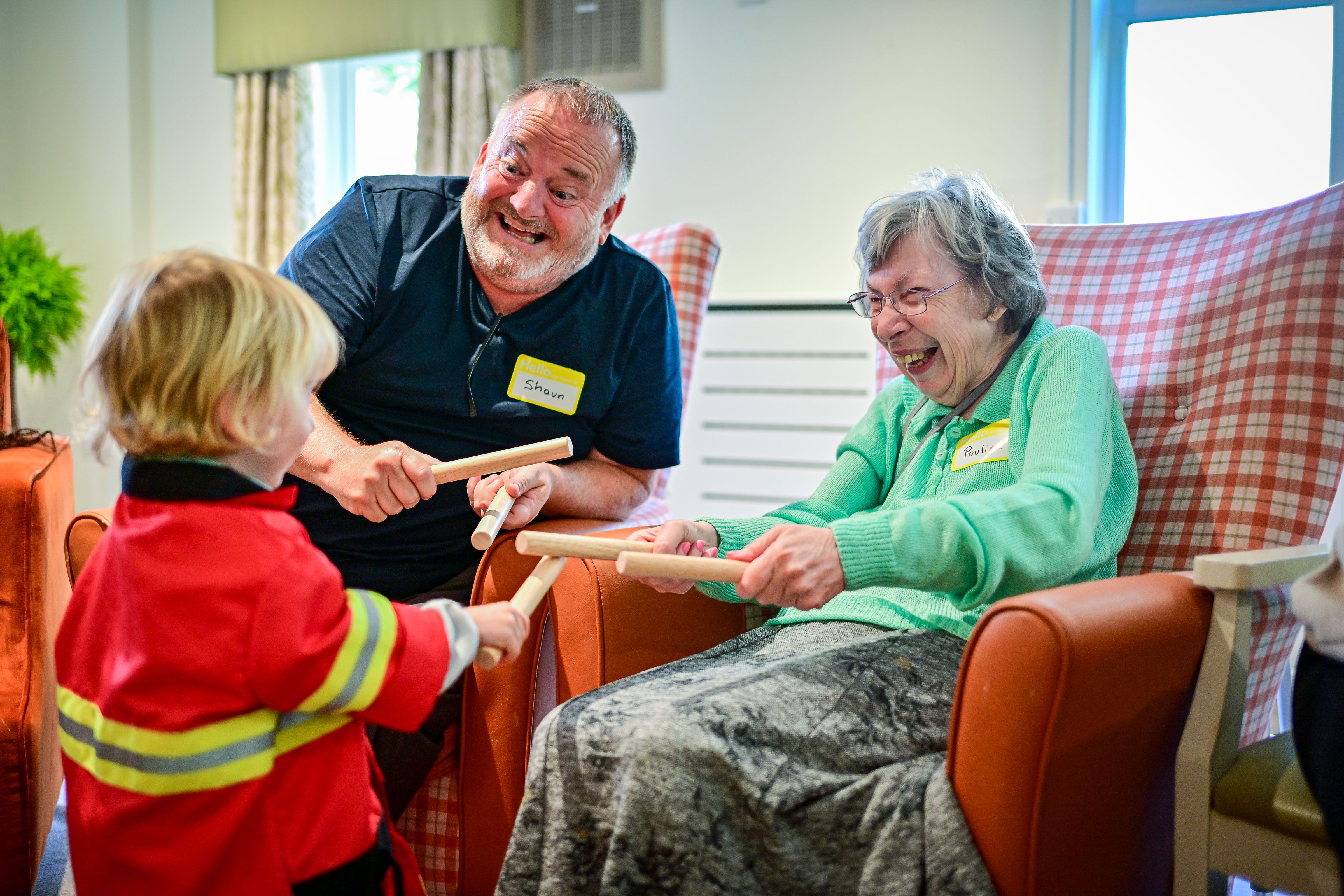
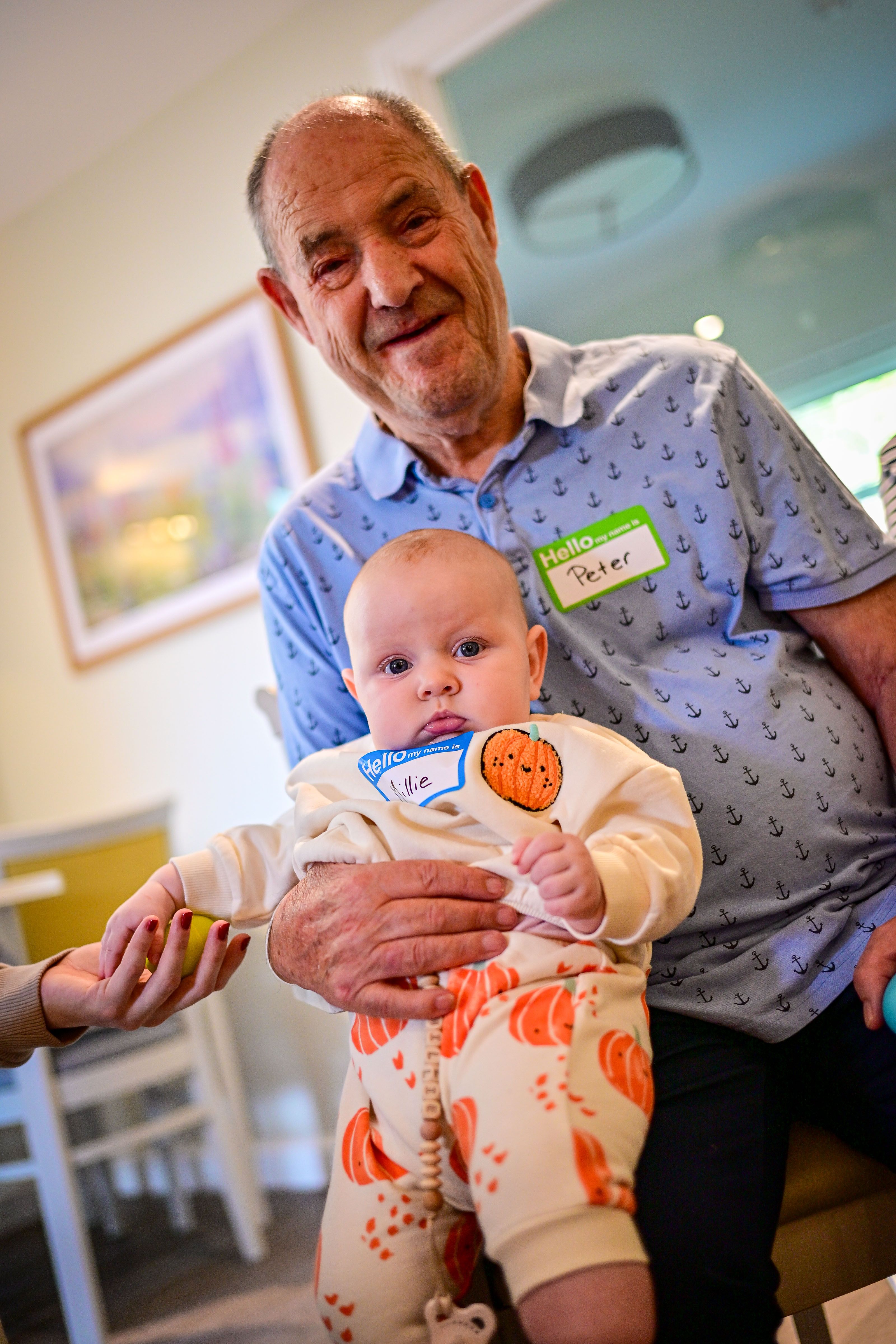
Our flagship programme, Songs & Smiles, brings babies, toddlers and their parents into care homes for weekly music, movement and social sessions with residents. Last year, more than 6,000 people participated across 74 care homes in England, with 89% of residents reporting stronger community connections.
Alongside this, our Crafting Connections programme extends intergenerational practice beyond face-to-face visits, pairing care home residents with children through a penpal-style exchange of letters, drawings and crafts. Our recent evaluation demonstrated an uplift in mood for every older adult who participated.
Yet the story is bigger than any single programme.
Across the care sector, there is growing recognition that meaningful interaction between generations can help address some of the issues providers are working hardest to tackle: social isolation, community engagement and resident wellbeing.
This aligns closely with the direction of travel from regulators. The CQC places significant emphasis on person-centred care, supporting people to maintain relationships, avoid social isolation and remain connected to their communities. Inspectors look for evidence that residents are supported to pursue their interests, develop meaningful relationships and participate in community life.
For many older people, loneliness is not simply about being alone. It can be about feeling disconnected from everyday life and the wider world. Intergenerational experiences help bridge that gap. They bring fresh energy into care settings, create opportunities for conversation and shared experiences, and remind residents they continue to play an important role within their communities.
One of our favourite examples is the friendship between Dorothy, a 107-year-old resident, and Logan, aged three. Having met through Songs & Smiles, the pair formed such a close bond that Logan and his mum continued visiting Dorothy at weekends after he started nursery.
For care homes, the benefits extend beyond resident wellbeing. Intergenerational programmes can strengthen links with local families, schools, nurseries and community groups, helping care homes become more visible, connected and embedded within their communities - and more attractive to potential new customers and their families as a result.
As the sector continues to evolve, providers are rightly asking how care homes can support residents not only to live safely, but to live well. Intergenerational practice is not a silver bullet, but it offers a powerful reminder that some of the most effective wellbeing interventions are also the most human.
The Together Project is delighted to be partnering with Care Show. If you’d like to hear more about how we can support your intergenerational plans, email our CEO Alexa Sutheran alexa@thetogetherproject.org.uk.